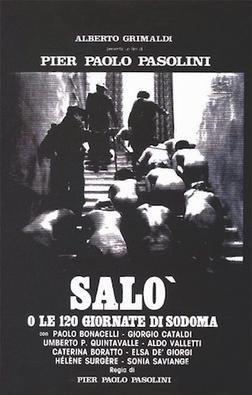
Salò, or the 120 Days of Sodom (1975), directed by Pier Paolo Pasolini, is one of the most controversial and discussed films in world cinema history. Often misunderstood as shock cinema, Salò is, at its core, a political allegory and social critique, using extreme imagery to expose the mechanisms of power, fascism, and dehumanization.
This is not a film meant for entertainment. It is a deliberate, confrontational work designed to disturb, provoke, and force reflection.
Story Overview (Spoiler-Free)
The film is set in 1944–45, during the final days of Italian Fascism, in the Republic of Salò. Four powerful men—representing authority, wealth, law, and control—kidnap a group of young people and isolate them in a remote villa.
Inside this controlled environment, rules are imposed, individuality is erased, and human beings are reduced to objects. The narrative unfolds in structured “circles,” inspired by Dante’s Inferno, symbolizing the systematic breakdown of morality and humanity.
Rather than following traditional storytelling, Salò functions as a theatrical and symbolic experience, where repetition and ritual emphasize the cruelty of unchecked power.
Direction and Artistic Intent
Pier Paolo Pasolini’s direction is cold, calculated, and emotionally distant—by design. He avoids sentimentality, forcing viewers to confront the events without emotional relief.
Pasolini was not interested in shock for shock’s sake. His goal was to illustrate how authoritarian systems normalize cruelty, turning violence into routine and obedience into survival.
The rigid framing, formal compositions, and lack of emotional music reinforce the idea that oppression becomes “order” when power goes unquestioned.
Performances and Characterization
The performances are intentionally restrained and almost mechanical.
- The authority figures are portrayed without exaggerated villainy, making them more disturbing in their calm detachment.
- The victims are depicted as individuals slowly stripped of identity, emphasizing the loss of humanity rather than personal backstories.
This emotional distance prevents the audience from forming comfort-based empathy, reinforcing the film’s message about systemic abuse rather than individual evil.
Cinematography and Visual Language
Visually, Salò is meticulously composed. The contrast between beautiful classical architecture and the horror unfolding within it highlights the hypocrisy of civilized appearances hiding brutality.
Key visual elements include:
- Static camera placements
- Symmetrical framing
- Muted, sterile color palettes
These choices make the film feel more like a controlled experiment than a conventional movie.
Sound Design and Music
Classical music is used sparingly, often clashing with the on-screen events. This contrast serves to underline the moral emptiness of cultural refinement when separated from empathy.
Silence is frequently employed, making scenes feel oppressive and unavoidable.
Themes and Interpretation
Salò is fundamentally about power.
Major themes include:
- Fascism and authoritarian control
- Dehumanization through systems
- Consumption culture and exploitation
- Obedience versus morality
- The normalization of cruelty
Pasolini draws a parallel between political fascism and modern consumer capitalism, suggesting both can reduce human beings to commodities.
Why the Film Is So Controversial
The controversy surrounding Salò comes not only from its content but from its refusal to offer moral comfort. There is no redemption, no justice, and no emotional release.
This makes the film extremely difficult to watch—but also impossible to ignore.
What Will Not Work for Most Viewers
This film is not recommended for casual audiences.
- Extremely disturbing subject matter
- Emotionally cold presentation
- No traditional narrative satisfaction
Viewer discretion is essential.
Salò OTT Availability
Due to its controversial nature, availability is limited and region-dependent.
Legal Viewing Platforms (may vary by country):
- The Criterion Channel – https://www.criterionchannel.com
- Apple TV (Rent/Buy) – https://tv.apple.com
- Amazon Prime Video (Select Regions) – https://www.primevideo.com
mp4moviez.blog does not support piracy. Always watch films through official platforms.
Final Verdict: Is Salò Worth Watching?
Salò, or the 120 Days of Sodom is not “worth watching” in a traditional sense—it is worth studying.
It remains one of the most uncompromising political films ever made, serving as a warning about what happens when power operates without accountability or empathy.
This is cinema as confrontation, not comfort.
next..review